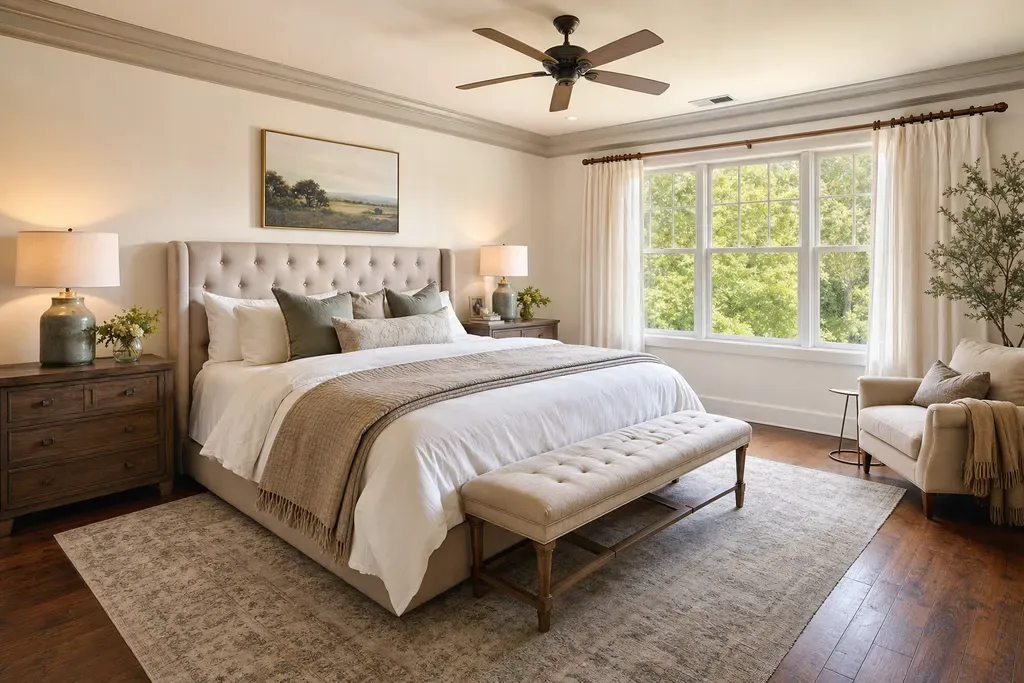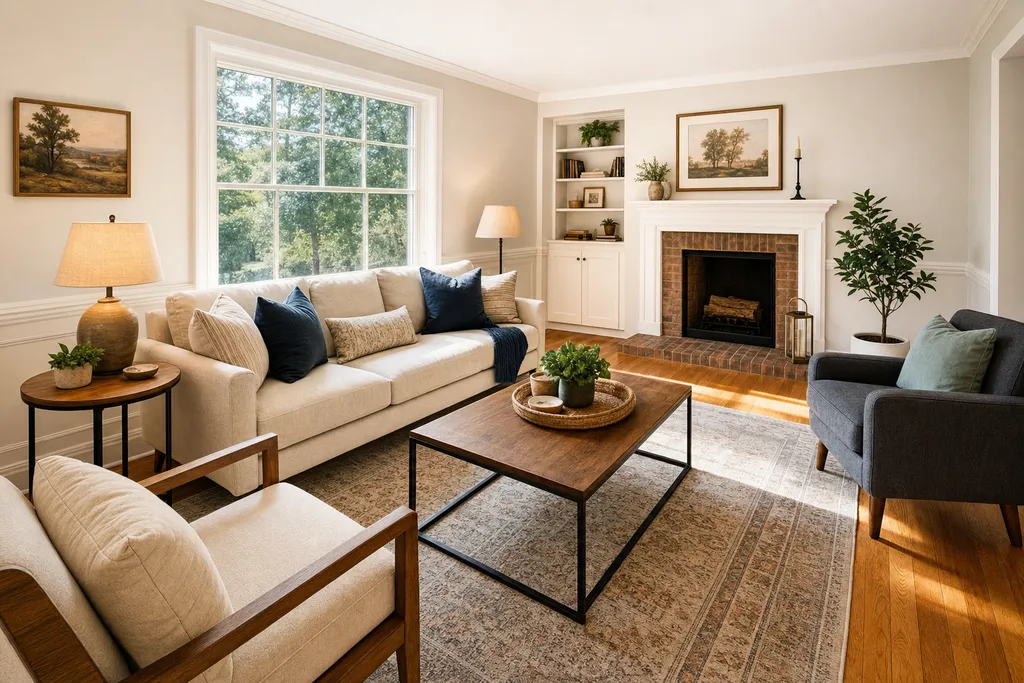
Virtual staging doesn't sell the house. It sells the showing.
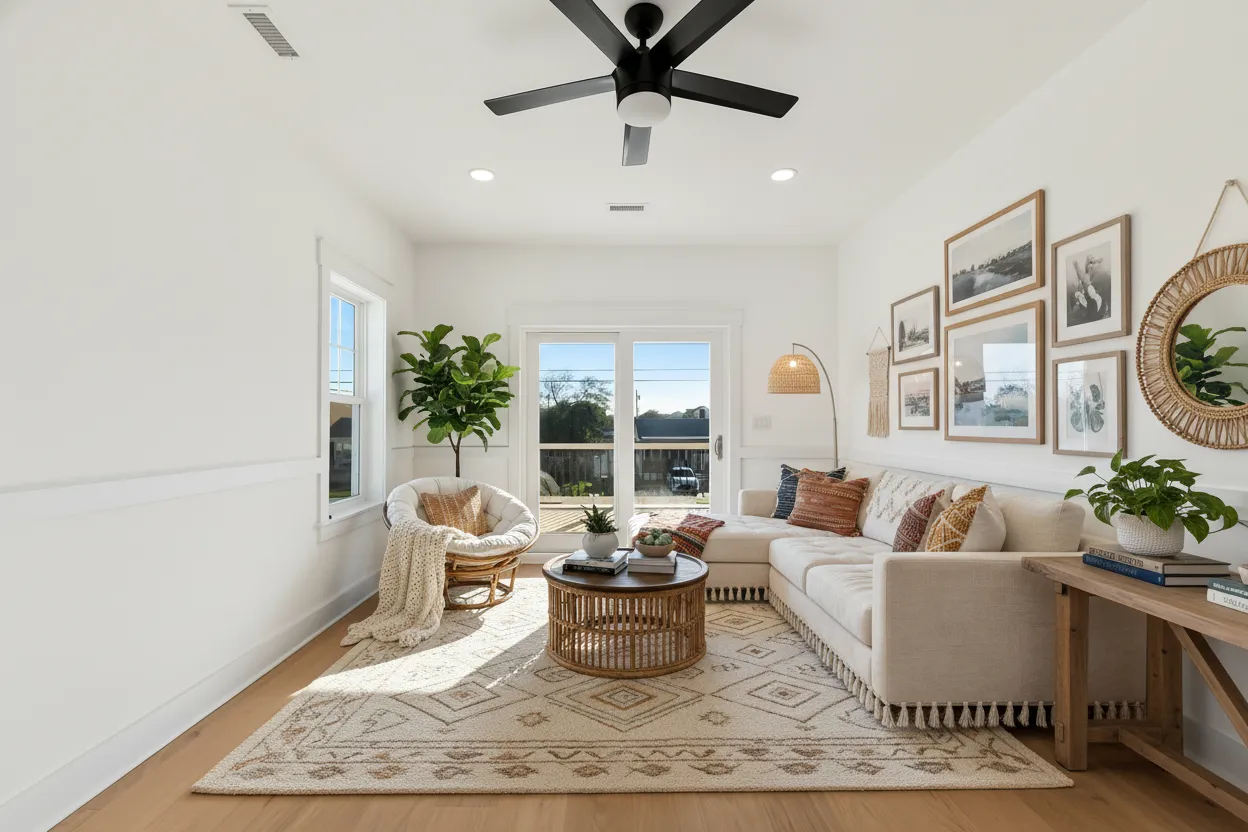
There's an objection every agent has heard: “that's misleading the buyer.” And it's a reasonable objection, because it starts from a wrong idea about what a photo does. A photo doesn't sell a house. None ever has. The only thing a photo can do is make someone want to go and see it. That's the sale staging closes, and it's the only one it can close.
What decides a showing isn't the house
A buyer scrolls a listings site on their phone, on the bus or in bed. They swipe through listings at a pace of one every two or three seconds. In that time they don't read the square meters, work out the orientation or weigh up the neighborhood. They see an image and decide whether to stop or move on. At that moment, the house is its first photo.
That's why a perfectly good property with weak photos can go weeks without a call, and lowering the price doesn't fix it: the price isn't seen until someone stops on the listing. If no one stops, the price doesn't matter.
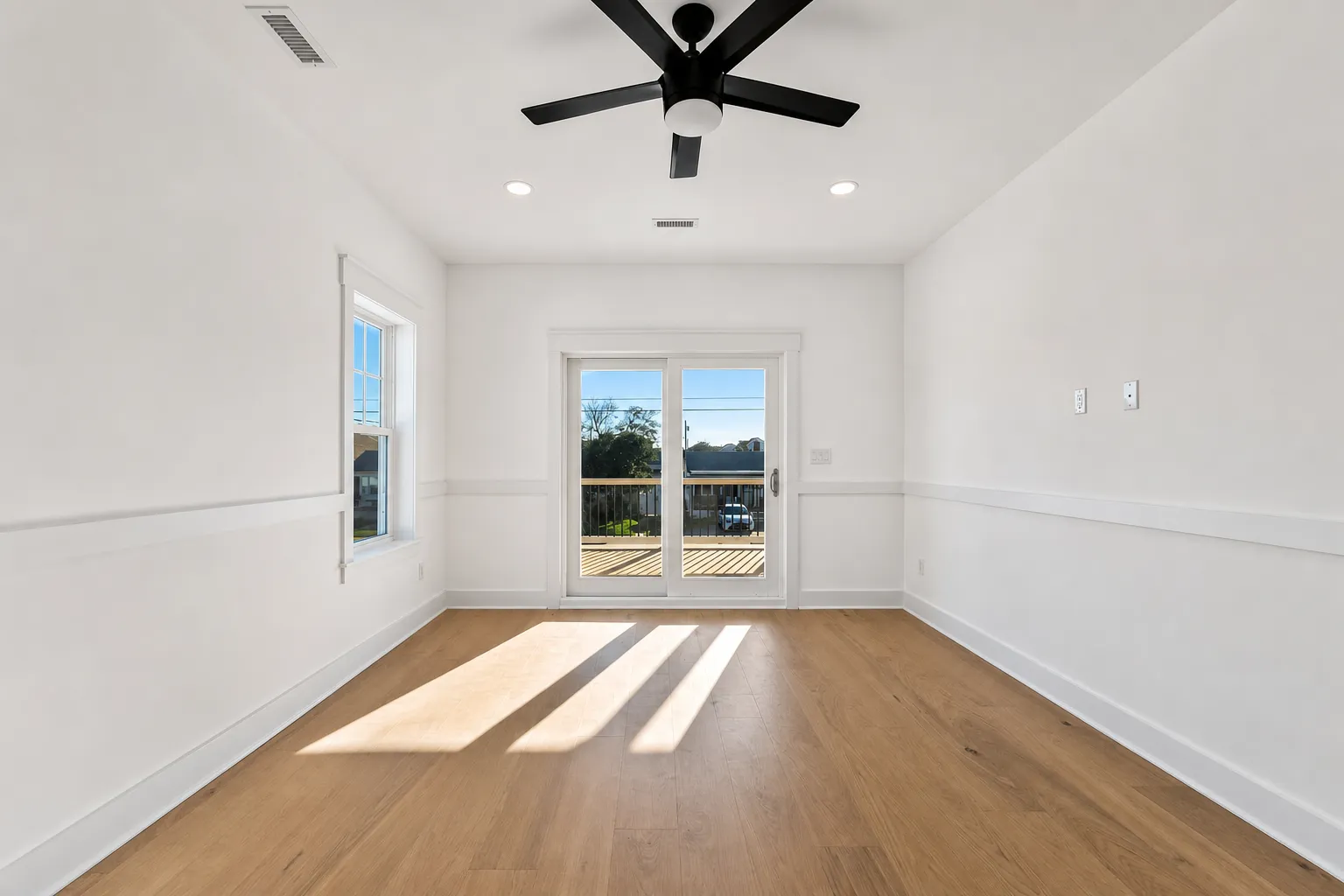
Why an empty room doesn't make sense to the eye
It's not a matter of taste: it's a matter of scale. Without a sofa, a table or a bed, the eye has no reference to measure the space. An empty thirty-square-meter room and a twenty-square-meter one, photographed from the door, look very much alike. With furniture, the difference jumps out, because now there's something to compare with.
Hence a paradox that surprises almost everyone the first time: the furnished room looks bigger than the empty one. Not because it is, but because it can finally be read.
An empty space isn't a blank canvas for the buyer. It's an unanswered question: “will my life fit here?”
Where staging stops, and why that matters
AI staging has a clear limit, and a good engine respects it: it changes what can be changed and leaves untouched what can't. Furniture, textiles, light, plants, a painting. Never the walls, the windows, the floor, the views or the camera angle. If the window looks onto an inner courtyard, it still looks onto an inner courtyard.
That limit is what makes it honest. The buyer who comes to the showing finds the same room they saw, without the sofa. And because they came to see it, they're already invested: they've given up an afternoon and pictured themselves living there. They're a different buyer from the one who swiped past without stopping.
- Changed: furniture, decor, textiles, lighting, plants.
- Left alone: walls, windows, floors, views, proportions, angle.
- Disclosed: a “virtually staged image” note on the listing avoids any surprise and, in practice, doesn't put anyone off.
The showing is only half of it
This is where most sales are lost, and it has nothing to do with the photo. The buyer comes to the showing, says “let me think about it”, and disappears into the agent's WhatsApp among twenty other conversations. Three weeks later they buy something else, not because they liked it more, but because no one called them on the day they had made up their mind.
That's why the two halves go together. The photo brings the showing; the follow-up converts it. Having a staging engine without a place to note who came and when to call them is getting showings only to lose them more efficiently.

What to do this week
- Open your listings and look only at the first photo of each. Can you understand the space without reading anything? If not, that's the one to furnish.
- Furnish the main living room, not the whole house. It's the cover photo that decides the showing.
- Choose the style with the buyer in mind, not your own taste. A three-bedroom house sells to a family: let the photo say so.
- Log every showing with a date to call back. The photo has done its job; now it's your turn.
Frequently asked questions
Is virtual staging legal?
Yes. It's a presentation tool, just like professional photography or home staging with real furniture. The recommended practice is to note on the listing that the image is virtually staged, and never to alter the structural elements of the property.
Do buyers feel misled when they arrive at the showing?
Not if the staging respects the real space. What the buyer finds is the same room without the sofa. What does cause rejection is changing windows, views or proportions, and that's why a good engine doesn't do it.
How long does it take to furnish a photo with AI?
In estaila, the median measured over real staging generations is about 14 seconds. You upload the photo from your phone, pick a style and it's ready to publish.
Which photo should I furnish first?
The first one on the listing, usually the living room. It's the one that decides whether the buyer stops or moves on. Furnishing the rest helps, but the cover photo is what brings the showing.
Try it with your own photo.
Seven days free, no card needed. When they end you keep the free account; nothing gets deleted.
Start free